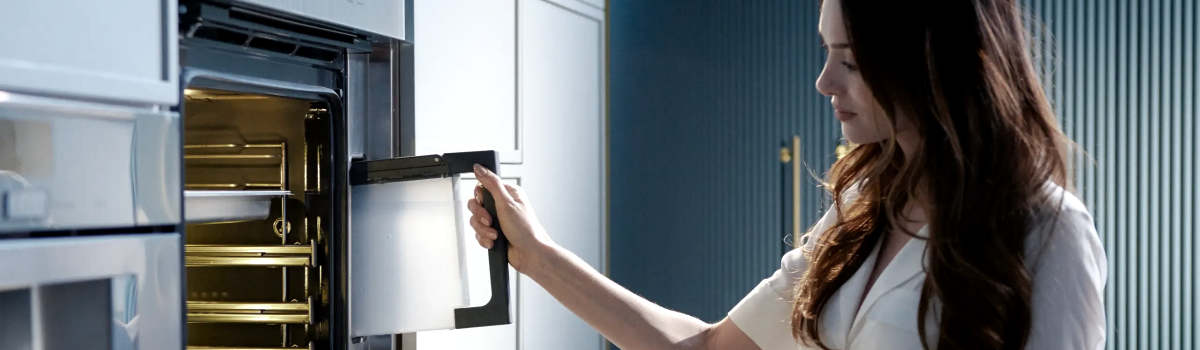
If you see Error Code E003 on your Thermador oven, it’s not something to ignore. This code means the oven’s user interface has gotten too hot — specifically the temperature measured at the control panel exceeded around 185°F (85°C). When the oven detects dangerously high heat near the electronics, it triggers E003 to protect both the user and the appliance. Left unresolved, this can cause repeated shutdowns, unreliable controls, and in worst cases, damaged electronics. This guide explains what E003 is, why it happens, how to troubleshoot safely at home, and what to do to prevent it in the future.
Thermador ovens are built with safety cutoffs and sensors, so E003 is ultimately a protective response. Your first goal is to understand whether the problem is simple and mechanical—like a door that isn’t closing properly—or electrical, such as a failed cooling fan or damaged wire harness.
Quick summary: what E003 tells you and why it matters
E003 = control panel / user interface temperature too high. The oven senses overheating at or near the control electronics and halts normal operation to avoid damage or fire risk. This usually results from poor cooling, obstructed airflow, door problems, or wiring/fan failure. Address E003 promptly: continued high temperatures can reduce the life of electronic components and create hazards.
If you prefer step-by-step troubleshooting, the core items to check are:
- Does the upper oven door close fully and seal properly?
- Are the door hinges and seal intact?
- Is the upper oven cooling fan running when it should?
- Are the wire harness connections to the fan secure and undamaged?
- Is the venting and airflow around the oven unobstructed?
Below you’ll find a deep dive into each cause, clear DIY actions, safety cautions, and long-term preventative measures.
What exactly triggers E003 — plain explanation
The control electronics on a Thermador oven sit close to the user interface. Those electronics are protected by sensors that monitor ambient temperature inside the oven cavity and near the control panel. When the temperature near those sensors climbs above the designed threshold, the oven logs E003 and may impose limits on operation or shut down to cool.
There are several typical scenarios that lead to that overheating:
- The oven door does not close fully, letting heat escape into the control area in an uneven way that confuses sensors.
- Door hinges are worn or bent so the door is slightly open under load.
- The door seal (gasket) is torn, compressed, or degraded and allows heat to migrate where it shouldn’t.
- The upper oven cooling fan fails or its wiring is loose/damaged, so hot air isn’t exhausted away from the control board.
- The wire harness to the fan or interior sensors has a bad connector, causing intermittent operation or wrong sensor readings.
- Ventilation around the appliance is restricted, or the oven is installed too close to cabinetry so heat builds up.
E003 will not usually be caused by a simple electronic glitch alone; most often it’s a thermal or airflow problem that leads to excessive local temperature.
First safe checks you can do right now
Before doing anything else, put safety first. Unplug the appliance or flip its breaker, and wait until the oven is cool.
Look at the oven from the front and from the top. Does the upper oven door sit flush when closed? Run a hand (only after cooling) along the gasket edge to feel for obvious gaps or damage. Visually inspect the hinges for bent metal or missing fasteners.
If you see an obvious broken hinge, torn gasket, or a door that does not sit flush, that alone may explain E003. Small gaps let hot air flow into areas near the electronics and make the control sensors detect excessive temperature.
Short checklist for a quick home inspection:
- Door closes fully and sits flush
- Door gasket intact, no rips or heavy compression
- Hinges straight, no missing screws
- No heavy blisters or discoloration near control panel
- Vent area not blocked by cabinetry or stored items
If all of these look good, proceed to fan and wiring checks. If you’re not comfortable opening panels or handling electrical connectors, stop and call a technician.
Checking the upper oven cooling fan and wire harness — step-by-step
The upper oven cooling fan is critical. It draws hot air away from the cavity and the control electronics. Fan failure or loose wiring is one of the most common causes of E003.
Basic steps to evaluate fan/wiring (unplug the oven first):
- Remove the access panel that covers the fan area. This varies by model; consult the manual for exact panel removal instructions.
- Visually inspect the fan blades for damage and obstruction. Clean if clogged with dust or grease.
- Check the wire harness connectors to the fan: they must be tight, corrosion-free, and properly seated.
- With the panel off and the oven plugged back (do this only if you are comfortable), run the oven briefly and verify the fan spins when the oven heats and when the appliance calls for cooling.
- If the fan does not run, test power to the fan motor with a multimeter or replace the fan assembly.
Common fan problems:
- Fan motor burned out from age or grease ingress
- Loose connector that disconnects under heat
- Fan blades jammed by debris or accumulated grime
If you find damaged wiring or a burned connector, replace the harness or connector. Corroded terminals can create heat-generating resistance that causes false high-temperature readings.
Door hinges and gasket — why small faults create big problems
A slightly warped hinge or a compressed gasket might look trivial, but it can dramatically alter how the oven vents heat. Thermador ovens expect a tight seal; that keeps heat in the cavity where the heating elements are and allows the designed airflow path to move hot air safely away from the control electronics.
If the door is not sealing:
- Inspect hinges for bends or worn pivot points.
- Check hinge screws and mounting brackets for looseness.
- Replace a gasket that is torn, flattened, or brittle; gaskets are inexpensive compared to repeated control-board failures.
Replacing a hinge or gasket is a common and affordable repair. It restores the oven’s intended airflow and often clears E003 immediately.
Wiring and PCB considerations — when the problem is electrical
Sometimes the control sensor and the control board itself might be at fault. This is less common than airflow issues but still possible, especially if the oven has been exposed to moisture or persistent overheating episodes.
Signs of electrical fault:
- Burned or melted insulation on wiring
- Dark spots or scorching on the control board housing
- Intermittent errors that clear and return unpredictably
If you suspect the control board, do not attempt complex board repairs unless you are trained. Replacing a control board or doing advanced diagnostics is best done by authorized service to ensure correct part matching and safe installation.
Short list: quick DIY fixes that often clear E003
- Verify and fix door alignment so the upper door closes fully.
- Replace a torn or compressed door gasket.
- Clean lint, dust, and grease from around fan and vent areas.
- Reseat or replace loose/damaged fan wire connectors.
- Replace failed upper oven cooling fan motor.
Only perform these if you are comfortable with basic appliance repair and have unplugged the oven. For anything involving control boards, leave it to pros.
When you should call a professional
Call a qualified appliance technician if:
- You found burned wiring, melted connectors, or scorch marks.
- The fan does not run even after electrical checks and replacement of connectors.
- The error returns after replacing gasket/hinges and cleaning vents.
- You don’t have tools or experience to safely test fan power or control board sensors.
A technician will run full diagnostics, measure sensor temperatures, test the fan under load, and verify the control board. Trained service ensures correct parts and prevents misdiagnosis that could make things worse.
Preventive maintenance — how to stop E003 from coming back
Prevention is simple and effective. Keep these habits:
- Clean the oven vents and fan access areas every 6–12 months. Grease and dust reduce cooling efficiency.
- Inspect door seals yearly and replace if worn.
- Avoid blocking venting or tightly enclosing the appliance in cabinetry that traps heat.
- Make sure the oven is level and the door is aligned after any installation or heavy use.
- If you cook with high-fat or heavy grease frequently, increase maintenance frequency to prevent buildup.
Regular maintenance not only prevents E003 but extends the life of the whole oven.
Real-case scenario — typical repair workflow
Here’s how a typical service call might go when E003 appears:
Technician arrives, runs an initial inspection, confirms the door latches fully but finds heavy lint and grease behind the fan. The fan motor tests intermittently and the wire connector shows signs of heat damage. The tech replaces the fan and the harness, cleans the vent path, reboots the oven, and runs a test cycle. The E003 code does not return. The customer is advised to clean vents quarterly and to replace the gasket next season if signs of compression appear.
That scenario is common: partial blockage + weakened fan/harness = overheating at the interface, fixed by restoring airflow and replacing the failed parts.
Safety warnings — what not to do
- Don’t operate an oven showing repeated E003 messages without diagnosing the cause. You risk further damage and possible safety hazards.
- Don’t attempt complex control board repair unless you are trained. High-voltage circuits are dangerous.
- Don’t ignore visible burned wires or connectors; heat damage often progresses and can lead to component failure or fire.
Final words — practical, no-fluff advice
E003 is a warning you want to take seriously but it’s usually fixable. Start with door alignment and gasket inspection, clean the fan and vents, check the fan motor and wiring, and replace any damaged parts. If the code persists, call an authorized technician to diagnose fans, harnesses, and control electronics. Regular cleaning and basic checks keep your Thermador oven reliable and protect expensive electronics from heat-related failure.