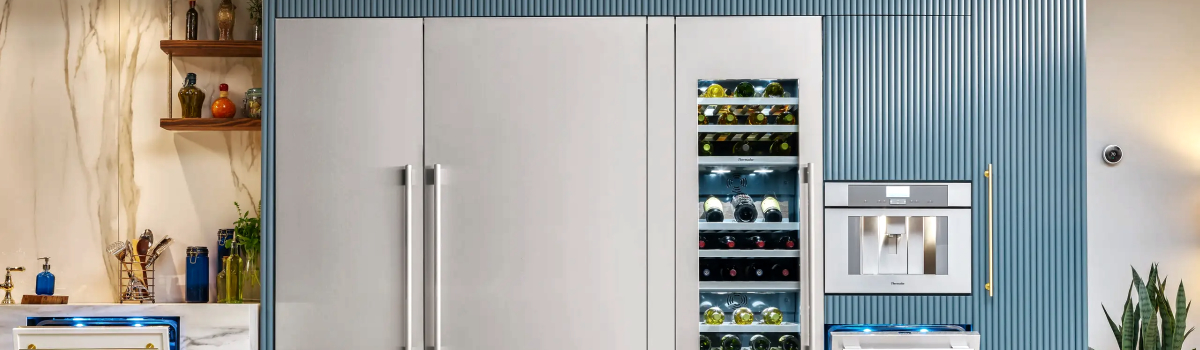
If your Thermador refrigerator is showing Error Code E20, it usually indicates that the power module and display module are not communicating properly. This miscommunication can affect your refrigerator’s performance, leading to issues such as incorrect temperature readings, failed cycles, or unresponsive controls. Understanding what triggers E20, how to troubleshoot it, and how to prevent it from happening again can save you time and money.
What Does Error Code E20 Mean?
The E20 error is essentially a communication fault between two critical electronic modules: the power module and the display module. These components work together to regulate your refrigerator’s temperature, cooling cycles, and other essential functions. When communication breaks down, the refrigerator may not operate as expected.
This error does not necessarily indicate a total system failure, but it’s a warning that a component is not functioning correctly. Ignoring it can lead to more serious issues, including inconsistent cooling or damage to internal electronics.
Common Causes of the E20 Error
Error code E20 can appear for several reasons:
- Wiring Issues: Loose, damaged, or corroded wires between the power and display modules can prevent proper communication. Even a slightly loose connector can trigger the E20 code.
- Faulty Modules: Either the power module or the display module could be defective, preventing the refrigerator from operating normally.
- Electronic Glitches: Occasionally, temporary glitches in the electronics or interference can disrupt module communication.
Other factors, like power surges or improper installation, may also contribute to E20 errors. Understanding the cause is essential for determining whether a DIY fix is sufficient or professional help is required.
Troubleshooting and DIY Fixes
Before calling a technician, there are a few steps you can try safely:
Start with a power cycle. Unplug your refrigerator or turn off the circuit breaker for a few minutes, then power it back on. This simple step can often clear temporary electronic glitches.
Next, inspect the wiring connections. Check the cables connecting the power module and display module. Look for loose connectors, frayed wires, or corrosion. Carefully reconnect any loose wires to ensure proper contact.
For those comfortable with electronics, a visual inspection of the modules can help identify obvious damage. Burn marks, swelling, or broken components are signs that the module may need replacement.
Finally, check whether your refrigerator has any software updates. Manufacturers occasionally release updates to fix communication problems between modules. Following the instructions provided by Thermador for updating your refrigerator can sometimes resolve persistent errors.
When to Call a Professional
If E20 persists despite trying DIY fixes, it’s advisable to contact a qualified appliance technician. Professionals can:
- Perform a thorough diagnosis of both the power and display modules
- Test wiring integrity and module functionality
- Replace faulty components safely and accurately
Attempting complex repairs without experience can lead to further damage or void warranties. Professional intervention ensures the refrigerator is repaired correctly and safely.
Preventive Measures to Avoid Future E20 Errors
Prevention is always better than repair. Regular maintenance can help reduce the risk of E20 errors:
- Inspect Wiring and Connections: Occasionally check for wear, corrosion, or loose wires behind the panels.
- Protect Against Power Surges: Use a surge protector to safeguard electronic components.
- Avoid Overloading the Refrigerator: Overstuffing can strain electronics and cooling systems.
- Keep the Unit Level: Proper installation ensures components align correctly and reduces stress on connectors.
- Follow Recommended Maintenance Schedules: Cleaning coils, checking airflow, and monitoring performance can prevent communication issues.
By keeping the refrigerator in good condition and monitoring key components, you can minimize the likelihood of encountering E20 errors.
Real-Life Examples of E20 Issues
Many Thermador owners encounter E20 due to simple causes like loose wiring or power glitches. In one instance, a refrigerator repeatedly displayed E20 after a small connector behind the control panel became loose during routine cleaning. Securing the connection cleared the error immediately.
In another case, a software update released by the manufacturer fixed persistent E20 errors caused by electronic miscommunication. These examples show that E20 does not always indicate major failure and can often be addressed with careful inspection or minor updates.
Conclusion
The Thermador refrigerator E20 error is a warning sign of miscommunication between the power and display modules. While some issues can be resolved with simple DIY troubleshooting like power cycling, wiring checks, and software updates, persistent problems require professional attention. Preventive measures, including inspecting connections, protecting against power surges, and following proper maintenance routines, can reduce the risk of this error and keep your refrigerator functioning reliably.